Burger King Latin America Platform
As part of Tillster’s multi-brand ordering platform, I worked with Product and Engineering to design the Burger King Colombia experience as the foundation for a scalable Latin America (LATAM) system. The goal was not only to launch a localized product, but to establish a flexible framework that future LATAM markets could build on without redesigning core experiences from scratch.
%202.png)

Burger King Colombia was the first implementation in the LATAM expansion roadmap, but the existing platform architecture was constrained by:
- A menu structure optimized for a global system, not LATAM-specific ordering behavior
- Limited scalability for future country-specific adaptations
- A design workflow fragmented across multiple clients and possibly designers within the same platform
- Engineering migration toward a React-based system requiring stronger design-to-code alignment
Additionally, LATAM markets introduced external constraints, particularly unreliable address data from Google Maps, which impacted delivery accuracy and required UX adaptations.
.png)
Designing for Scale, Not Just Colombia
Instead of treating Colombia as a standalone product, I designed a system that could support multiple future LATAM markets. This required balancing:
- Consistency across the global Burger King experience
- Flexibility for regional and market-specific needs
- Usability for future designers maintaining and extending the system
Rather than creating rigid “templates,” I focused on defining structured guidelines that clarified what should remain consistent vs. what could be adapted per market..
.png)
.png)
Design System & Token Strategy
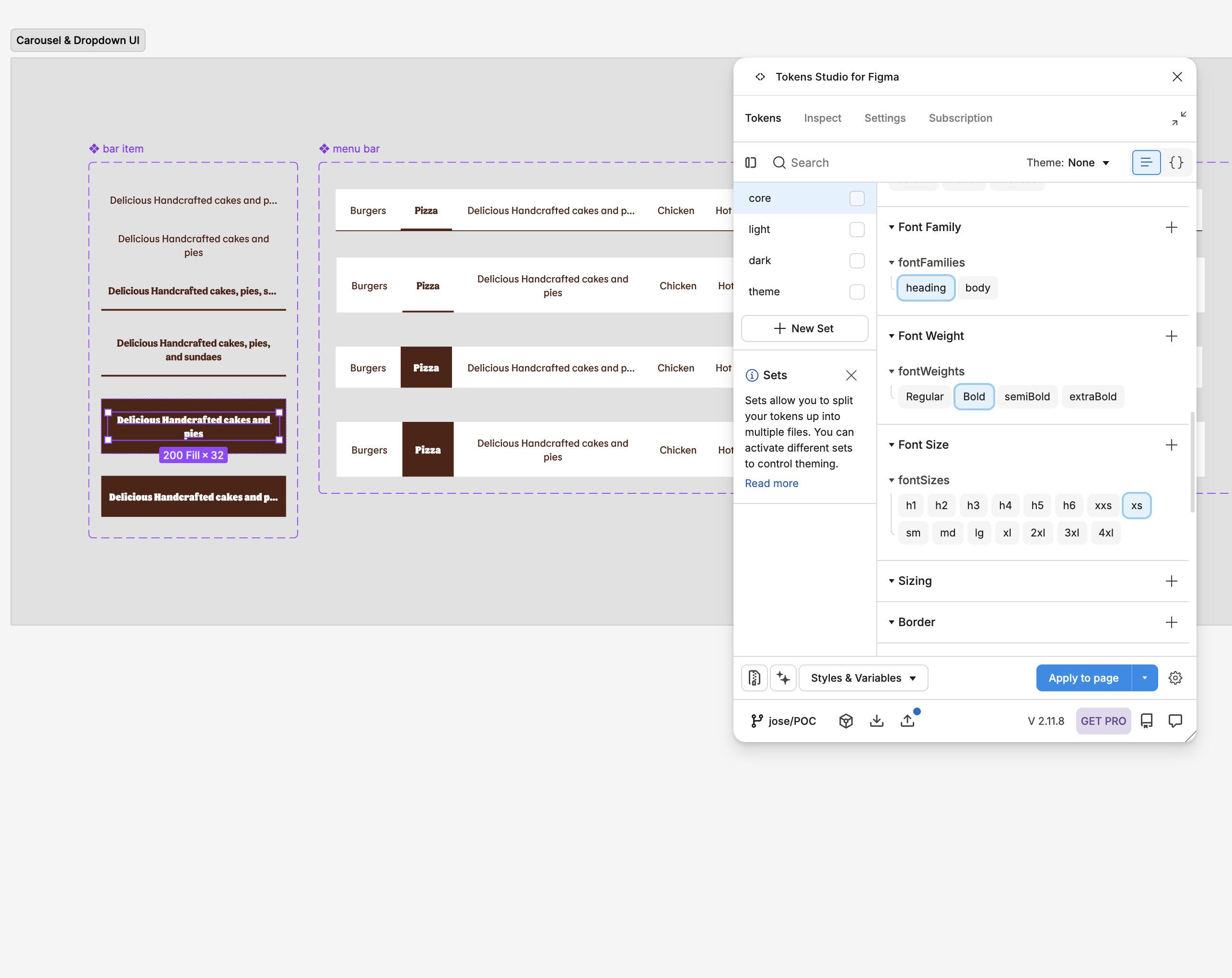
To support scalability across multiple brands and clients within Tillster’s platform, I implemented a token-based design system using Token Studio.
While Figma’s native variables were evaluated, they were not suitable for our environment because:
- Designers work across many client projects within a shared workspace
- Native token setups made it difficult to isolate and manage brand-specific styles
- We needed a more portable system aligned with engineering workflows and React implementation
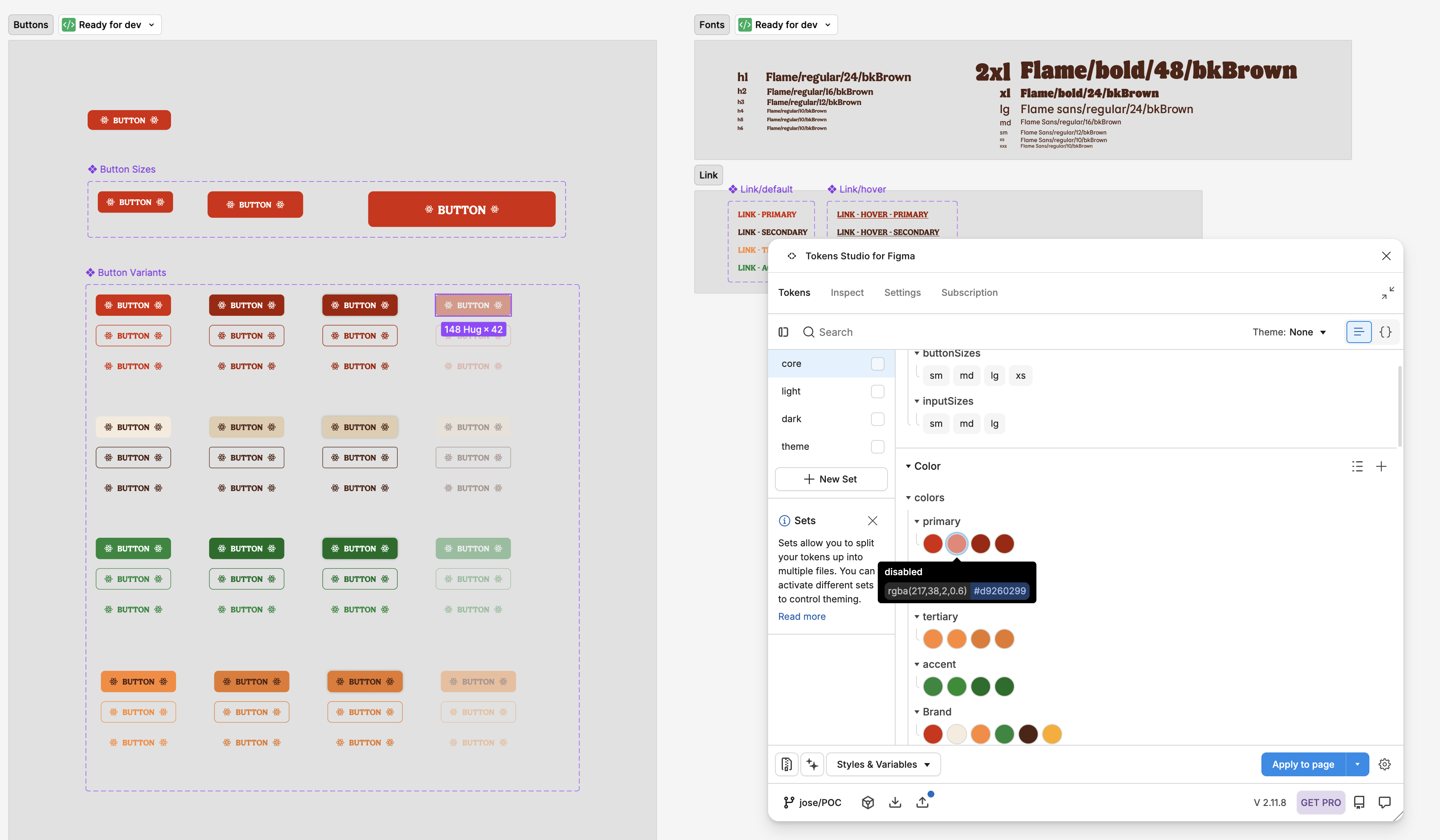
Token Studio enabled a more structured approach to:
- Managing brand-specific design tokens
- Supporting consistent theming across multiple clients
- Improving handoff and alignment with the React-based development system
I also created documentation and guidelines to ensure other designers could adopt the system consistently across future LATAM implementations.
Localization Challenges
A key UX challenge in LATAM markets was inaccurate or incomplete address data from Google Maps.
To mitigate delivery errors, I designed flows that:
- Required users to confirm their delivery location on a map
- Encouraged manual validation of address details
- Expanded support for detailed delivery instructions to improve order accuracy
These adjustments helped reduce ambiguity in the ordering process and improved reliability in regions with inconsistent mapping data.
.png)
.png)
A scalable design foundation for Burger King’s LATAM expansion
.png)